 08045815886


 Send Inquiry
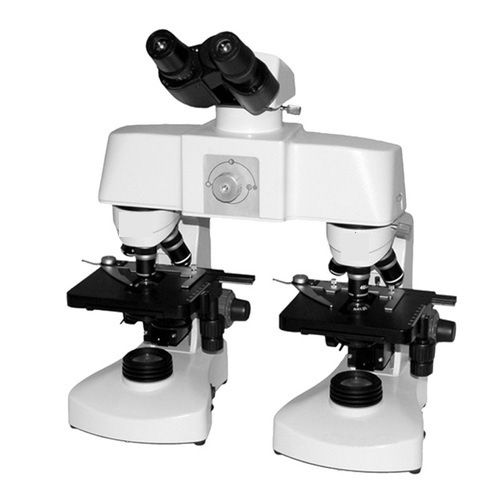
Comparison Microscope
Comparison Microscope Specification
- Focus System
- Coaxial coarse and fine focus with tension adjustment.
- Features
- Simultaneous observation of two specimens with seamless optical switching; suitable for forensic, metallurgical, and biological specimen comparison.
- Spare Parts
- Supplied with spare bulbs, fuses, dust cover, immersion oil, and lens cleaning paper.
- View Head
- Dual synchronized optical path for direct specimen comparison.
- Theory
- Comparison microscopes are designed to compare two specimens side by side via a split-view optical system.
- Drawtube
- Trinocular drawtube for camera attachment and observation.
- Sensor
- CMOS digital sensor in trinocular photo tube (optional camera integration).
- Resolution
- Full HD 1920x1080 pixels (camera dependent).
- Interface
- USB 2.0/HDMI output for image and video capture (camera dependent).
- Frame Rate
- 30 frames/sec (camera dependent).
- Focal Distance
- Working distance 30mm to 70mm (objective dependent).
- Magnification
- 40X-400X (up to 1000X with optional objectives).
- Dimensions
- Approx. 540 x 380 x 380 mm (varies with configuration).
- Focus Range
- Coarse & fine focusing mechanism, total lift 26mm.
- Eyepieces
- Widefield 10X/20mm paired eyepiece with diopter adjustment.
- Eyepiece Tube
- Interpupillary adjustable 55-75mm.
- Illumination
- Transmitted and incident LED/halogen (variable intensity).
- Coarse Adjustment Range
- Up to 25mm travel.
- Fine Adjustment Range
- Graduated fine focus 0.002mm precision.
- Working Stage
- Double-layer mechanical stage, size approx. 145 x 130 mm; movement 70 x 40 mm each side.
- Still Image Capture Resolution
- Up to 5MP, 8MP, 12MP, or higher (camera dependent).
- Video Capture Resolution
- 1920x1080p up to 60fps (camera dependent).
- Image Format
- JPEG, BMP, PNG, TIFF (camera dependent).
- Interpupillary Distance
- 55mm to 75mm adjustable.
- Objective Achromatic
- Achromatic 4X, 10X, 40X, 100X oil immersion.
- Condenser
- Abbe condenser N.A. 1.25 with iris diaphragm.
- Light Source
- LED or Halogen 6V/20W, adjustable.
- Stage Movement
- Precision ball-bearing movement for smooth, accurate positioning.
- Power Supply
- Universal AC 100V-240V with built-in transformer.
- Temperature Range
- Operational from 10C to 40C.
- Field Number
- FN 20 (eyepiece dependent).
- Camera Compatibility
- Compatible with a wide range of digital and HDMI cameras.
- Color Temperature
- Adjustable (if using LED illumination).
- Dust Protection
- Integrated dustproof design for optical components.
- Relative Humidity Tolerance
- 85% non-condensing.
- Body Material
- Heavy-duty metal frame with anti-corrosion coating.
Comparison Microscope About
Comparison Microscope
SPECIFICATIONS:
|
View Head :
|
Seidentopf Binocular Head, Inclined at 30, interpupilary 75mm Distance 48 Seidentopf trinocular Head, Inclined at 30 |
|
Eyepiece : |
WF 10X/18 |
|
Objective :
|
Achromatic objective 4x, 10x, 40x, 100x Achromatic Objective 20x, 60x Achromatic Objective 4x, 10x, 40x, 100x. |
|
Nosepiece :
|
Quadruple Nosepiece |
|
Focusing :
|
Coaxial coarse & fine focus adjustment system |
|
Condenser :
|
NA 1.25 Abbe Condenser with iris diaphragm |
|
Illumination: |
3w LED illumination, brightness adjustable halogen lamp 6V/20W |
|
Filter |
Blue filter, green filter |
Reliable Dual-Specimen Comparison
Designed specifically for the simultaneous observation and direct comparison of two specimens, the comparison microscope employs a dual, synchronized optical path with seamless switching. This makes it indispensable for forensic studies, metallurgical analysis, and biological research where side-by-side visual evaluation is critical for accurate results.
Exceptional Build and Versatile Imaging
Manufactured with a heavy-duty metal frame and anti-corrosion coating, this microscope assures both durability and resistance to environmental factors. Integrated trinocular and digital camera compatibility enables high-definition imaging for documentation, analysis, and sharing, with flexible interfaces such as USB and HDMI to suit modern laboratory and classroom settings.
Precision Focusing and Stage Movement
Precision ball-bearing mechanisms allow for smooth, accurate stage positioning, while the coaxial coarse and fine focus system with tension adjustment supports effortless operation. Graduated fine adjustment down to 0.002mm provides outstanding control, critical for examining minute specimen details clearly.
FAQs of Comparison Microscope:
Q: How does the comparison microscope facilitate side-by-side specimen analysis?
A: The comparison microscope uses a split-view optical system with a dual synchronized optical path. This design enables users to observe two specimens simultaneously under identical optical conditions, allowing for direct, detailed comparisons essential for forensic investigations and other applications.Q: What types of cameras are compatible with this microscope, and what image formats can be captured?
A: This comparison microscope is compatible with a broad range of digital and HDMI cameras. It supports capturing still images in formats such as JPEG, BMP, PNG, and TIFF, and records videos at resolutions up to Full HD 1920x1080p and various frame rates, depending on the camera used.Q: When is it recommended to use transmitted versus incident illumination on this microscope?
A: Transmitted illumination is ideal when examining transparent or thin biological samples, while incident (reflected) illumination is better suited to opaque or metallurgical specimens. Both types can be used independently or combined, depending on the application and specimen requirements.Q: Where can this microscope be effectively utilized?
A: The comparison microscope is suitable for forensic laboratories, metallurgical industries, biological research facilities, and educational institutions, wherever detailed comparison of specimens is essential for analysis, teaching, or documentation.Q: What is the operational temperature and humidity range for this microscope?
A: This microscope operates effectively in a temperature range between 10C and 40C and can tolerate up to 85% relative humidity (non-condensing), ensuring reliable performance in a variety of controlled laboratory environments.Q: How does the integrated dustproof design benefit users?
A: The built-in dustproof features protect the optical components from contamination, reducing maintenance needs and ensuring consistently clear and sharp imaging results for extended periods.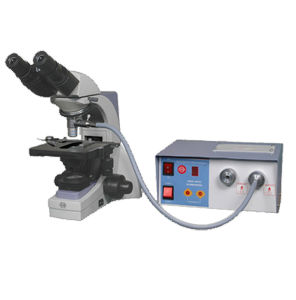
Tell us about your requirement

Price:
Quantity
Select Unit
- 50
- 100
- 200
- 250
- 500
- 1000+
Additional detail
Mobile number
Email

More Products in Microscope Category
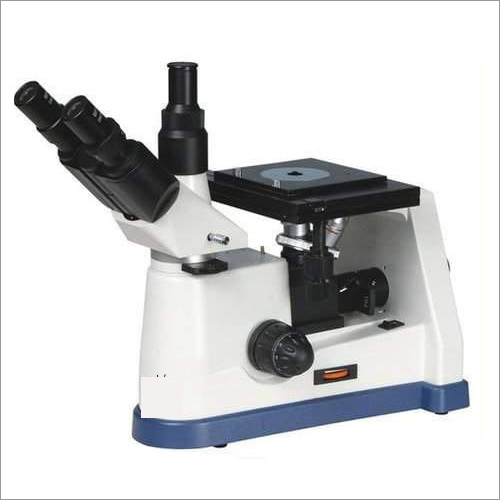
IQM-40-1 Inverted Metallurgical Microscope
Fine Adjustment Range : 0.001 mm fine focusing gradation.
Resolution : Determined by objective and eyepiece combination; up to 1000x magnification optical resolution.
Objective Achromatic : Plan Achromatic objectives: 10x, 20x, 40x, 100x (oil immersion).
Interface : Optional trinocular port for camera integration; standard optical interface.
Drawtube : Other, Binocular observation tube with 45 inclination and 360 rotation.
Sensor : Not applicable (optical microscope, no digital sensor by default).
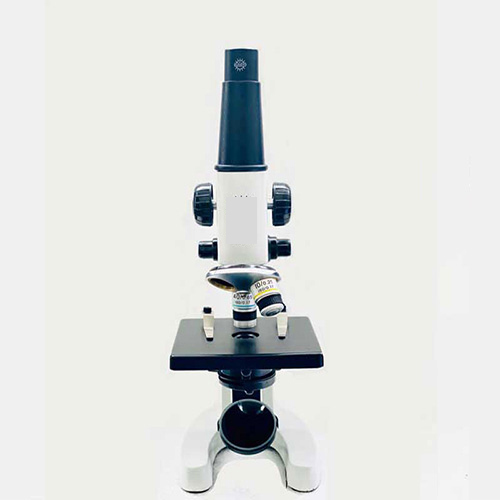
PZ-5 -2
Fine Adjustment Range : 2 m
Resolution : 1920 x 1080 Pixels
Objective Achromatic : 4X, 10X, 40X, 100X (Oil)
Interface : USB 2.0
Drawtube : Other, Binocular, 45 inclined, 360 rotatable
Sensor : CMOS Sensor
Malaria Detection Microscope
Fine Adjustment Range : Up to 2 mm
Resolution : 1280 x 720 Pixels
Objective Achromatic : 4x, 10x, 40x (Spring)
Interface : USB 2.0
Drawtube : Other, Monocular Body Tube, 160 mm Length
Sensor : Highprecision CMOS
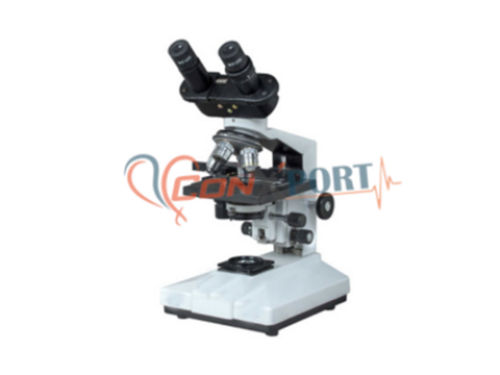
Binocular Microscope
Fine Adjustment Range : 6v20w
Resolution : 100x
Objective Achromatic : 4x, 10x, 40x
Interface : LED
Drawtube : Binocular
Sensor : LED

 Send Inquiry
 Send SMS
 Call Me Free
|


CONTEMPORARY EXPORT INDUSTRY
GST : 06AJMPT4011D1ZG
GST : 06AJMPT4011D1ZG

- B No. 4353, Main Road, Near Geeta Gopal Temple,Ambala Cantt - 133001, Haryana, India
- Phone :08045815886

- Mr Akhil Trehan (Proprietor)
- Mobile :08045815886
- Send Inquiry
 Send Inquiry
CONTEMPORARY EXPORT INDUSTRY
All Rights Reserved.(Terms of Use)
Developed and Managed by Infocom Network Private Limited.
Developed and Managed by Infocom Network Private Limited.

