 08045815886


 Send Inquiry
ConXport Defibrillator Monitor Aed
ConXport Defibrillator Monitor Aed Specification
- Color Code
- White & Blue
- Treatment Type
- Cardiac Resuscitation
- Automation Grade
- Semi-Automatic / Manual
- Material
- ABS Plastic, Metal Components
- Storage Capacity
- Up to 100 event memories
- Function
- Defibrillation, ECG Monitoring, AED Mode
- Display Type
- Digital
- Height
- 180 mm
- Humidity Range
- 95% RH, non-condensing
- Application
- Medical Emergency, Cardiac Arrest
- Shape
- Rectangular
- Use
- Defibrillation, Patient Monitoring
- Dimension (L*W*H)
- 330 x 280 x 180 mm
- Temperature Range
- 0C to 40C (operation)
- Accuracy
- 2 ms (defibrillator synchronization timing)
- Power
- AC 220V, Rechargeable Battery
- Product Type
- Defibrillator Monitor with AED
- Weight
- Approx. 6 kg
- Phase
- Single Phase
- Properties
- Portable, Rechargeable, Multifunction Display
- Frequency
- 50Hz
- Suitable For
- Hospitals, Ambulances, Clinics, Emergency Care
- Power Source
- AC Mains / Internal Rechargeable Battery
- Voltage
- 220V AC 10%
- Display
- Large LCD
- Language Support
- Multilingual operation interface
- Paddle Type
- External, with pediatric paddles included
- Event Storage
- Downloadable via USB
- Battery Backup
- Up to 4 hours continuous operation
- Isolation
- Patient and operator fully isolated
- Printer
- Built-in thermal recorder
- User Interface
- Soft-key and rotary knob controls
- Alarm System
- Audio-visual alarms for abnormal heart rate or malfunction
- Charging Time
- <10 seconds for maximum energy
- Energy Selection
- 2 to 360 Joules
- Patient Range
- Adult and Pediatric
- ECG Lead Options
- 3-lead monitoring
- Safety Standard
- IEC 60601-1 compliant
- Standby Mode
- Automatic power-saving mode
ConXport Defibrillator Monitor Aed Trade Information
- FOB Port
- Delhi
- Payment Terms
- Letter of Credit (L/C), Telegraphic Transfer (T/T), Paypal
- Supply Ability
- 15 Per Week
- Delivery Time
- 6-7 Days
- Sample Available
- Yes
- Sample Policy
- If order is confirmed we will reimburse the sample cost
- Main Export Market(s)
- Asia, Australia, North America, South America, Eastern Europe, Western Europe, Middle East, Africa, Central America
- Main Domestic Market
- All India
- Certifications
- ISO,CE,FDA
ConXport Defibrillator Monitor Aed About
Defibrillator Monitor Is A Lightweight, Battery-Operated,Portable Device That Checks The Hearts Rhythm And Sends A Shock To The HeartTo Restore A Normal Rhythm.
Defibrillator Monitor Is Used To Help People HavingSudden Cardiac Arrest.
SP02, NIBP, Pacemaker
Operating Mode : Manual, Display : 7" ColourTFT
Waveform : Bi-Phasictruncated Exponential
Energy : 2 To 200 Joules In 12 Steps Selection
Energy Display : Displays Selected And Charged / DeliveredEnergy Synchronous Cardio Version : Energy Delivery Begins Within 60 Ms Of The QRSPeak
Charging Time : 6 Seconds On Mains
Paddle Assembly : External Paddle Assembly With CoilRetractable High Voltage Cable. Adults & Pediatric Paddle Integrated ToSame Handle
Check Mode : Manual Check Mode
Patient Impedance Range : 35 Ohm To 250 Ohm
Shock Delivery : Through Paddles Or Pads
Battery : 12 V 4.5 Ah, Rechargeable, (Sealed Lead Acid)
Back-Up Time : 3 Hours Min. 70--100 Shock Of 150 Joules.
Display Area : 150mm X 90mm
Dimensions : H 280 X W 330 X D 220mm (Max) Without Paddle
Weight : Approx. 6Kgs.
Printer Size : 50 X 20
Advanced Emergency Cardiac Care
The ConXport Defibrillator Monitor AED is engineered for swift, reliable performance during medical emergencies such as cardiac arrest. It combines essential life-saving features with intelligent monitoring and diagnostic options, supporting prompt decision-making in critical situations. With both adult and pediatric compatibility, it empowers healthcare professionals to respond effectively to diverse patient needs.
Comprehensive Monitoring and Therapy
This device offers 3-lead ECG monitoring with digital display, precise defibrillation delivery, and automatic or manual operation modes. Audio-visual alarms alert users to abnormal heart rhythms or technical faults, while the integrated thermal printer ensures real-time event documentation. Event data is easily retrievable via USB, supporting patient care reviews and audits.
Portable, User-Friendly Design
Designed for mobility and ease of use, the ConXport Defibrillator Monitor AED features a compact form factor, intuitive soft-key and rotary knob controls, and comprehensive language support. Its rugged casing and fully isolated operation assure operator and patient safety, while flexible power options and a 4-hour battery backup ensure readiness during transport or power interruptions.
FAQs of ConXport Defibrillator Monitor Aed:
Q: How does the ConXport Defibrillator Monitor AED assist during a cardiac emergency?
A: The device delivers controlled electrical energy (2360 Joules) to patients experiencing cardiac arrest, allowing for both adult and pediatric treatment. Its rapid charging time, clear ECG monitoring, and built-in alarms enable prompt and informed therapeutic intervention, which is crucial in saving lives during emergencies.Q: What should users know about the process of using the defibrillator in both adult and pediatric patients?
A: The defibrillator comes with external adult and pediatric paddles. Users can select the appropriate energy levels and paddles based on the patient type. It supports both AED (semi-automatic) and manual modes, with clear instructions displayed on the multilingual LCD interface for precise and safe operation.Q: When should the devices battery be recharged, and how long does it last during use?
A: The internal rechargeable battery supports up to 4 hours of continuous operation. It should be recharged after use or as indicated by the devices battery status display. Regular maintenance ensures it is fully powered and ready for deployment in emergencies.Q: Where can the ConXport Defibrillator Monitor AED be effectively utilized?
A: This defibrillator is ideal for deployment in hospitals, ambulances, clinics, and various emergency care settings. Its durable, portable construction allows for use both at fixed facilities and in-transit, making it suitable for treatment on-site or en route to medical centers.Q: What benefits do the built-in printer and event storage features provide?
A: The devices integrated thermal recorder allows instant printing of ECG traces and event reports, which is valuable for immediate documentation and medical review. Additionally, up to 100 event memories can be downloaded via USB, facilitating patient records management and quality control.Q: How does the device ensure safety and compliance during patient care?
A: The defibrillator is fully isolated to protect both patient and operator, conforms to IEC 60601-1 safety standards, and provides audio-visual alarms for abnormal heart rates or malfunctions. Its robust design, soft-key/rotary knob user controls, and automatic standby mode further enhance safe operation.Q: What is the recommended maintenance process for optimal performance?
A: Routine checks involve verifying battery charge, inspecting paddles and cables, cleaning housing, and confirming functional alarms and event storage capability. Regular software and hardware reviews, along with calibration as per manufacturer guidelines, help maintain device accuracy and readiness.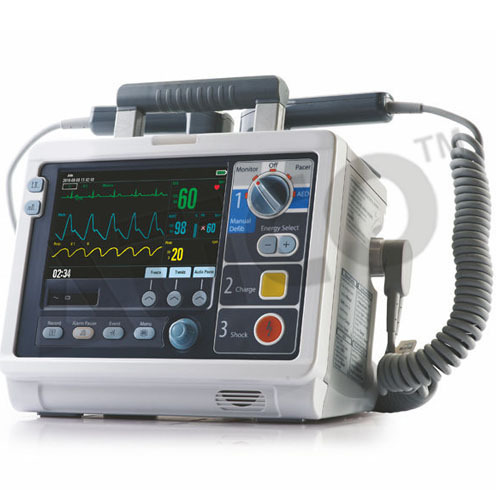
Tell us about your requirement

Price:
Quantity
Select Unit
- 50
- 100
- 200
- 250
- 500
- 1000+
Additional detail
Mobile number
Email

More Products in ICU Products Category
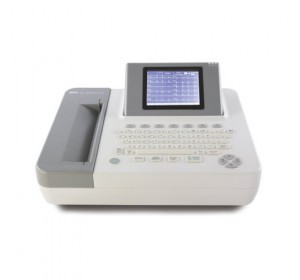
ConXport Ecg Machine 12 Channel With Usb
Use : Measuring and Recording Cardiac Electrical Activity
Voltage : 220V AC
Dimension (L*W*H) : Approx. 320 mm x 270 mm x 90 mm
Temperature Range : 5C to 40C
Power Source : AC Power with Builtin Rechargeable Battery
Humidity Range : 95% (Noncondensing)
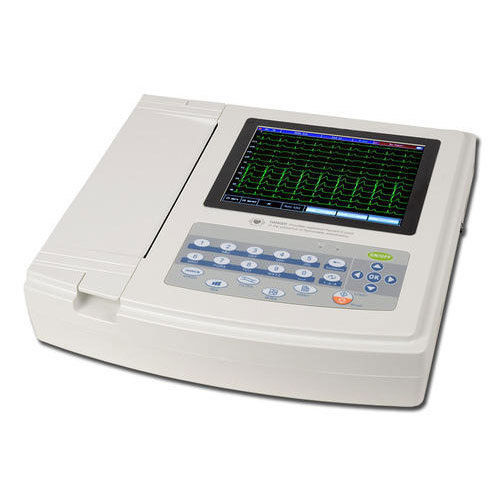
ConXport Ecg Machine 12 Channel
Use : Recording and analysis of electrocardiogram
Voltage : 110240 Volts
Dimension (L*W*H) : 300 mm x 260 mm x 80 mm
Temperature Range : 5C to 40C
Power Source : Mains and Rechargeable lithium battery
Humidity Range : 95% RH

ConXport Ecg Machine 3 Channel
Use : Electrocardiogram Diagnostics
Voltage : 220V Ac
Dimension (L*W*H) : Approx. 275 x 195 x 70 mm
Temperature Range : 5C 40C
Power Source : AC Mains, rechargeable battery
Humidity Range : 95% RH (noncondensing)
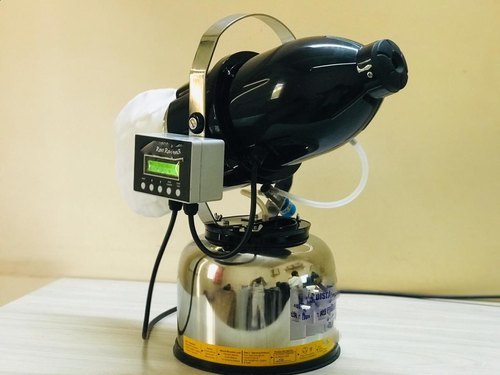
ConXport Fogger Digital
Use : Disinfection, humidification, sterilization
Voltage : 220V AC
Dimension (L*W*H) : 40 x 15 x 28 cm
Temperature Range : Ambient
Power Source : Electric
Humidity Range : Up to 99%

 Send Inquiry
 Send SMS
|


CONTEMPORARY EXPORT INDUSTRY
GST : 06AJMPT4011D1ZG
GST : 06AJMPT4011D1ZG

- B No. 4353, Main Road, Near Geeta Gopal Temple,Ambala Cantt - 133001, Haryana, India
- Phone :08045815886

- Mr Akhil Trehan (Proprietor)
- Mobile :08045815886
- Send Inquiry
 Send Inquiry
CONTEMPORARY EXPORT INDUSTRY
All Rights Reserved.(Terms of Use)
Developed and Managed by Infocom Network Private Limited.
Developed and Managed by Infocom Network Private Limited.

