 08045815886


 Send Inquiry
ConXport Double Beam Microprocessor UV-VIS Spectrophotometer
ConXport Double Beam Microprocessor UV-VIS Spectrophotometer Specification
- Features
- Double beam optics, microprocessor control, wavelength scanning, data storage, user-friendly interface, large sample compartment
- Accuracy
- 0.5%T
- Glass Type
- Optical glass cuvettes
- Display Type
- LCD digital display
- Temperature Resistance
- Ambient (non-heating device)
- Shape
- Rectangular
- Power Supply
- AC Mains, 50 Hz
- Control Type
- Microprocessor-based
- Type
- Double Beam Microprocessor UV-VIS Spectrophotometer
- Dimension (L*W*H)
- 600 x 450 x 200 mm
- Equipment Type
- Analytical Instrument
- Equipment Materials
- Metal body with powder coated finish
- Power
- 60W
- Voltage
- 220V AC 10%, 50Hz
- Material
- Superior grade metal and plastic
- Application
- Analytical laboratory measurements of absorbance and transmittance in UV and visible regions
- Baseline Flatness
- 0.002 A
- Spectral Bandwidth
- 2 nm
- Photometric Repeatability
- 0.15%T
- Sample Compartment
- Holds up to 10 mm path length cuvettes, width adjustable
- Wavelength Range
- 190 to 1100 nm
- Software
- Windows-based data processing software provided
- Detector
- Silicon photodiode
- Noise
- 0.001 A
- Light Source
- Deuterium and Tungsten lamps
- Wavelength Accuracy
- 0.3 nm
- Weight
- Approx. 18 Kg
- Wavelength Repeatability
- 0.2 nm
- Data Output
- USB/RS232 interface for PC connectivity
- Photometric Accuracy
- 0.3%T
- Photometric Range
- -0.3 to 3.0 A, 0 to 200% T
- Stray Light
- 0.05%T at 220 nm & 340 nm
- Scanning Speed
- Fast, Medium, Slow
ConXport Double Beam Microprocessor UV-VIS Spectrophotometer Trade Information
- FOB Port
- Delhi
- Payment Terms
- Letter of Credit (L/C), Paypal, Telegraphic Transfer (T/T)
- Supply Ability
- 15 Per Week
- Delivery Time
- 6-7 Week
- Sample Available
- Yes
- Sample Policy
- If order is confirmed we will reimburse the sample cost
- Main Export Market(s)
- Western Europe, Asia, Middle East, Central America, Eastern Europe, South America, North America, Australia, Africa
- Main Domestic Market
- All India
- Certifications
- ISO,CE,FDA,WHO-GMP
ConXport Double Beam Microprocessor UV-VIS Spectrophotometer About
| Wavelength Range (nm) | 190-1100 nm |
| Application | Laboratory Use |
| Brand | ARGLabs |
| Size | ARGLabs-2802 |
Product Description
Description:
Double Beam Microprocessor UV-VISSpectrophotometer Range 190-1100 nm, fully automatic operations, automatic 8cell changer, bandwidth 1nm, automatic wavelength & wave length scan,automatic peak picking & spectrum display, Large screen with graphicdisplay. Spectrum and data can be printed out by printer and sent to computervia USB port. Set of 4 quartz and 4 glass curettes is provided, Softwareincluded, fitted with Japanese optics (Imported)
Technical Specifications:
Wavelength Range (nm) 190-1100 nm
Wavelength Range 190-1100 nm Czerny Turner Optical System Double beam (1200 lines/mmGrating)
Photometric Range -0.3 - 3.5 A, 0 to 220 %T
Wavelength Accuracy +0.3 nm
Display 6 inches high light blue LCD
Scanning Speed Fast / Medium / Slow
High Performance Analytical Instrument
Designed for laboratories, this double beam microprocessor UV-VIS spectrophotometer guarantees precise absorbance and transmittance measurements. Its superior accuracy and repeatability, together with a wide wavelength range and adjustable scanning speed, make it suitable for complex quantitative analysis and routine measurements.
Advanced Features for Efficient Workflow
This spectrophotometer offers double beam optics, microprocessor-based control, and wavelength scanning, enabling users to carry out comprehensive analyses with ease. The large sample compartment, user-friendly LCD digital display, and included Windows-based software improve overall efficiency and data management.
Sturdy Construction and Reliable Performance
With a metal body and powder coated finish, the instrument ensures durability for regular laboratory use. The high-quality optical glass cuvettes and ambient temperature resistance are ideal for consistent, long-term operation.
FAQs of ConXport Double Beam Microprocessor UV-VIS Spectrophotometer:
Q: How do I set up and start using the ConXport Double Beam Microprocessor UV-VIS Spectrophotometer?
A: To begin, place the spectrophotometer on a stable laboratory bench and connect it to a 220V AC mains power supply. Install the included Windows-based software and attach the instrument to your PC via USB or RS232. Insert the sample in an optical glass cuvette (up to 10 mm path length), adjust the width as required, and use the LCD display for microprocessor-based control and measurement.Q: What types of analyses can this spectrophotometer perform and in which wavelength region?
A: This instrument is ideal for analytical laboratory measurements of absorbance and transmittance in both UV and visible regions, covering a wavelength range from 190 to 1100 nm. It supports applications in chemical, pharmaceutical, food, and environmental testing.Q: When should I select different scanning speeds on this spectrophotometer?
A: Choose fast scanning speed for high-throughput sample analysis or preliminary work; select medium or slow scanning for increased resolution and accuracy during more detailed analyses. The device enables you to tailor scan speed based on your experimental requirements.Q: Where can I store or export measurement data from the spectrophotometer?
A: Data can be stored in the spectrophotometers onboard memory and exported to a connected PC via USB or RS232 interface. The provided Windows-based software facilitates data processing, storage, and report generation for comprehensive record management.Q: What is the benefit of using double beam optics in this spectrophotometer?
A: Double beam optics improve photometric accuracy by compensating for variations in lamp intensity and ensuring reliable measurement. This design enables concurrent referencing, reducing baseline drift and enhancing repeatability.Q: How is repeatability maintained during continuous use of this equipment?
A: With wavelength repeatability 0.2 nm and photometric repeatability 0.15%T, the microprocessor-controlled system delivers consistent results across multiple measurements. The robust design, stable detectors, and stray light suppression further contribute to reliability.Q: What process should I follow for routine maintenance and cleaning?
A: Keep the sample compartment clean and free from dust. Regularly inspect the cuvettes for scratches or residue, and clean them with appropriate solvents. Avoid exposing the unit to extreme temperatures or moisture to maintain optimal performance and longevity.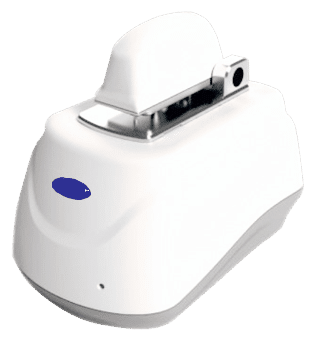
Tell us about your requirement

Price:
Quantity
Select Unit
- 50
- 100
- 200
- 250
- 500
- 1000+
Additional detail
Mobile number
Email

More Products in Spectrophotometer Category
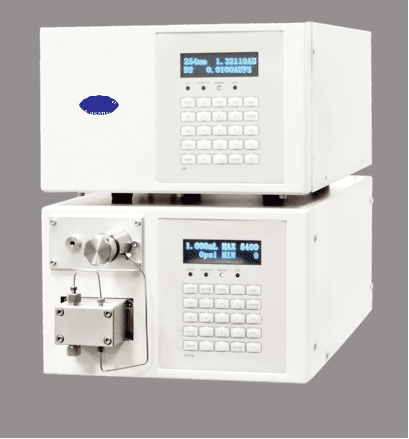
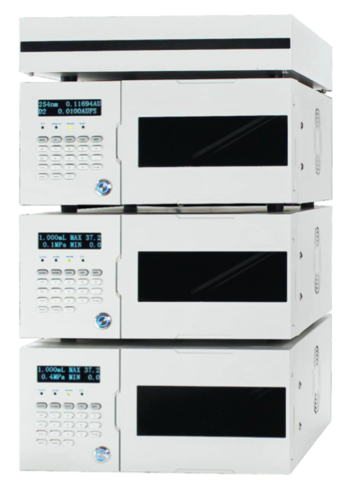
ConXport High-Performance Liquid Chromatography
Features : Auto Calibration, Modular Design, Chemical Resistant
Accuracy : 0.01 ml/min
Application : Laboratory, Analytical Chemistry
Voltage : 220V AC
Temperature Resistance : Up to 150C
Power Supply : AC Mains
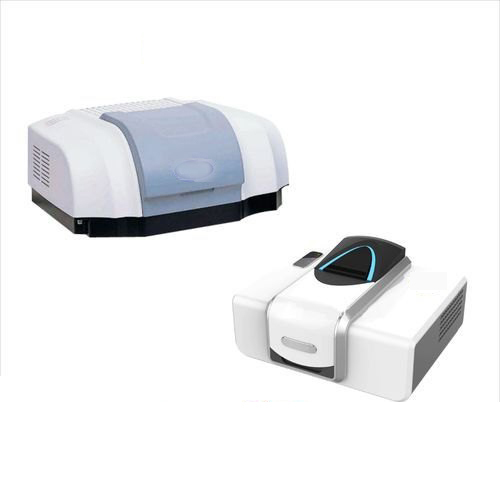
ConXport FTIR SPECTROPHOTOMETER
Features : High resolution, wide spectral range, userfriendly interface, USB connectivity
Accuracy : 0.01 cm
Application : Qualitative and quantitative IR spectroscopy, chemical analysis, research laboratories
Voltage : 220 V AC
Temperature Resistance : Ambient conditions up to 50C
Power Supply : AC mains
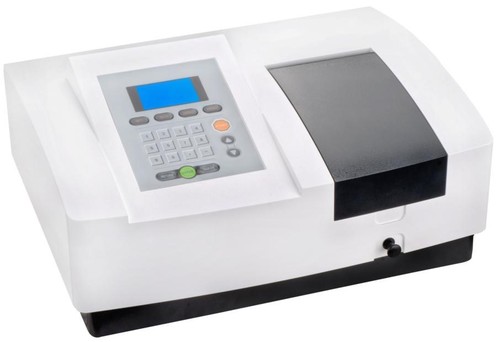
ConXport Digital Spectrophotometer
Features : Automatic zero adjustment, direct concentration facility, adjustable wavelength, digital display
Accuracy : 0.005 Abs
Application : Quantitative and qualitative analysis in laboratories
Voltage : 220V AC 10%, 50 Hz
Temperature Resistance : Up to 50C
Power Supply : 230V AC, 50 Hz
ConXport Single-Beam spectrophotometer
Features : High accuracy, stable performance, easy operation, automatic zero adjustment, safety protection, data output port
Accuracy : 0.5%T
Application : Laboratory, clinical chemistry, research analysis
Voltage : 220V / 50Hz
Temperature Resistance : Up to 40C operating
Power Supply : AC mains

 Send Inquiry
 Send SMS
|


CONTEMPORARY EXPORT INDUSTRY
GST : 06AJMPT4011D1ZG
GST : 06AJMPT4011D1ZG

- B No. 4353, Main Road, Near Geeta Gopal Temple,Ambala Cantt - 133001, Haryana, India
- Phone :08045815886

- Mr Akhil Trehan (Proprietor)
- Mobile :08045815886
- Send Inquiry
 Send Inquiry
CONTEMPORARY EXPORT INDUSTRY
All Rights Reserved.(Terms of Use)
Developed and Managed by Infocom Network Private Limited.
Developed and Managed by Infocom Network Private Limited.

