 08045815886


 Send Inquiry
ConXport Trial Lens Set
ConXport Trial Lens Set Specification
- Core Components
- Spherical Lenses, Cylindrical Lenses, Prisms, Accessories, Aluminum Case
- Capacity
- 266 Pieces (118 Spherical + 80 Cylindrical + 10 Prisms + 58 Accessories)
- Measurement Range
- Spherical: +0.25 D to +20.00 D / -0.25 D to -20.00 D, Cylindrical: +0.25 D to +6.00 D / -0.25 D to -6.00 D
- Accuracy
- High Precision Lens Grinding, Accurate Diopter Marking
- Automation Grade
- Manual
- Temperature Range
- Room Temperature
- Feature
- High Precision, Color-coded Handles, Shock-resistant Case
- Model No
- ConXport Trial Lens Set
- Equipment Materials
- Optical Glass Lenses, Metal and Plastic Frames
- Type
- Trial Lens Set
- Usage
- Ophthalmic Refraction, Eye Examination
- Dimension (L*W*H)
- Approx. 52 x 38 x 8 cm (Carrying Case)
- Weight
- Approx. 6-7 kg (with box)
- Lens Diameter
- Standard 38 mm
- Handle Material
- Durable Plastic
- Lens Mount
- Rimless Metal and Plastic Ring Mounts
- Application
- Hospital, Clinic, Vision Testing Centres
- Storage
- Foam-lined Compartments for Lens Protection
- Accessories Included
- Occluder, Pinhole, Cross Cylinder, PD Ruler, Prisms, Flippers
- Case Type
- Aluminum or Deluxe Leatherette Carrying Case
- Color Coding
- Red (-) and Black (+) Markings on Handles
ConXport Trial Lens Set Trade Information
- FOB Port
- Delhi
- Payment Terms
- Paypal, Letter of Credit (L/C), Telegraphic Transfer (T/T)
- Supply Ability
- 15 Per Week
- Delivery Time
- 6-7 Days
- Sample Available
- Yes
- Sample Policy
- If order is confirmed we will reimburse the sample cost
- Main Export Market(s)
- Australia, North America, South America, Eastern Europe, Western Europe, Middle East, Central America, Asia, Africa
- Main Domestic Market
- All India
- Certifications
- CE,ISO,FDA,WHO-GMP
About ConXport Trial Lens Set
Trial Lens Set
Spheres
The curved surface forms a part of the spherical lens and the diopric power onalll axis positions is the same. After passing the lens, the light beam focusesin one point ( or a virtual focus ). Spherical lens includes concave lens ( - )and convex lens ( + ) which are used to examine myopia, hyperopia andpresbyopia.
Cylinders
The curved surface forms a part of cylindrical lens and the dipodic power onall axis positions is not the same. After passing the lens, the light beamfocuses into a straight line ( or a broken line ). Cylindrical lens consists ofconcave cylindrical lens and convex cylindrical lens that are used to examineastigmatism.
Prisms
The tangent plain of prismatic lens shows cuneiform. After passing the lens,the light beam bends to the bottom and the object shifts to edges. This kind oflens is used to test eye-flesh, slant and invisible slant as well as to traineye-flesh.
Occluder
This is a kind of opaque lens for covering the uninspected eye of the examineein a dark room.
Frostedlens
This is a kind of semi transparent cover lens and mainly used for babies orused outside of the room as anoccluder
Slit
In its center, there is a split, through whish light beam can psaa while itcannot pass the other part of the lens. By turning this lens in front of theeye, astigmatism can be examined as your vision changes in better or in worseat a certain axis position, on the contrary, it proves no existence ofastigmatism if your vision has change.
Plane Lens
This is a kind of transparent plain lens and the light beam never bends when itpasses the lens. It is used to examine false blindness.
Color Lens
This kind of lens has different colors, red, green, blue, yellow and dark brownand is used to examine color sensitivity. To such person whose dipodic image ismuddy ( e. G a patient with cataract ), the red or green lens is suitable, italso can be used for re-inspection and examination of color blindness.
Cross Cylinder
This is a kind of lens with contrary dipodic in two axis positions and used toexamine the degree and axis position of the cylindrical lens for determiningastigmatism. When using, put the cross cylindrical lens, before cylindricallens, and make its one axis coincide with the axis position of cylindrical lensthen turn the cross cylinder lens 90 * counter-clockwise and see the change ofvision if his vision has no change the degree of cylindrical lens used can beconsidered as suitable, otherwise the degree of cylindrical lens would becylindrical lens would be adjusted according to the variant results. Incorrecting the axis position, respectively out the two axes of cross cylinderlens at the right side ( 45* ) and the left side ( 45 * ) of primary test axisof cylindrical lens, then turn it counter clockwise and see differencesof vision at two positions. If vision on one position is better than that onanother position, the axis of cylindrical lens can be slightly turned in thedirection of position mark of the better one, then test again by the usedabove, until difference of vision at two positions can hardly be distinguished,thus proving that the cylindrical lens is the correct position.
Maddox
On its surface, there is one row of bars which point light can pass, and thenbends into a line to the direction, which is perpendicular to the glass bars.
Pin Hole
In its center, there is a small hole, through which light beam passes to formartificial pupil and it is used to improve diopter especially the astigmatismafter wearing it.
Exceptional Lens Variety and Precision
Featuring 266 pieces, including 118 spherical, 80 cylindrical, and 10 prism lenses, the ConXport Trial Lens Set provides a comprehensive range for precise ophthalmic refraction. High-precision lens grinding and accurate diopter markings ensure reliable outcomes during vision testing, meeting the demands of eye care professionals.
User-friendly Design and Storage
Lenses are mounted in durable metal or plastic rims with ergonomic plastic handles, clearly color-coded for easy identification of positive and negative lenses. The foam-lined case protects lens integrity, while its lightweight, shock-resistant design simplifies transportation and storage, ideal for use in busy clinical or hospital settings.
Complete Accessory Kit Included
The set comes complete with useful accessories, such as an occluder, pinhole, cross cylinder, PD ruler, prisms, and flippers, supporting thorough and versatile vision examinations. Convenient storage compartments make organization effortless, ensuring each tool is easily accessible during patient assessments.
FAQs of ConXport Trial Lens Set:
Q: How can the ConXport Trial Lens Set be used for accurate eye examinations?
A: This set includes precisely crafted optical glass lenses with accurate diopter markings, designed for manual refraction and comprehensive eye exams. The color-coded handles help professionals quickly select lenses for testing spherical, cylindrical, and prismatic corrections.Q: What accessories are included with the ConXport Trial Lens Set?
A: The set comes with several accessoriesan occluder, pinhole, cross cylinder, PD ruler, prisms, and flippersenabling a wide range of vision testing procedures and aiding examiners in achieving thorough results.Q: When should I use the ConXport Trial Lens Set?
A: This trial lens set is suitable for routine or specialized eye examinations in hospitals, clinics, and vision testing centers. Its ideal whenever precise refractive assessment and diagnosis are required.Q: Where can the ConXport Trial Lens Set be utilized?
A: The set is designed for use in medical environments such as hospitals, specialty eye clinics, and vision testing centers. Its portable and shock-resistant case also allows for easy transportation between examination rooms or outreach locations.Q: What is the benefit of the color-coded handles on the lenses?
A: The red (-) and black (+) markings on the handles allow quick differentiation between negative and positive lenses, streamlining the vision testing process and minimizing errors during lens selection.Q: How are the lenses and accessories protected during storage and transport?
A: All components are stored in foam-lined, shock-resistant compartments within the aluminum or deluxe leatherette carrying case, ensuring optimal lens protection and long-term durability.Q: What process is followed for cleaning and maintaining the ConXport Trial Lens Set?
A: Clean lenses with a soft, lint-free cloth and lens cleaning solution. Ensure all components are dry before placing them back in foam compartments to avoid moisture buildup, and store the case in a dry, room-temperature environment.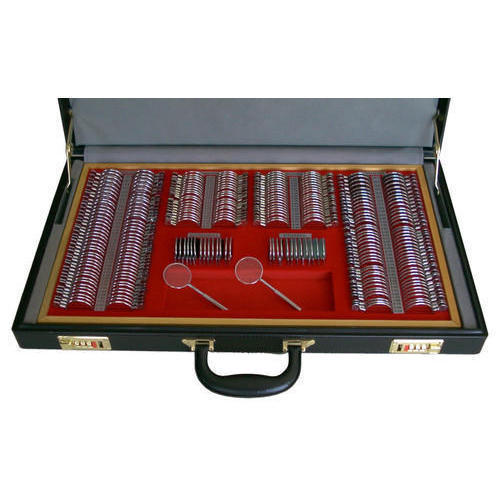
Tell us about your requirement

Price:
Quantity
Select Unit
- 50
- 100
- 200
- 250
- 500
- 1000+
Additional detail
Mobile number
Email

More Products in ENT And Ophthalmic Instruments Category
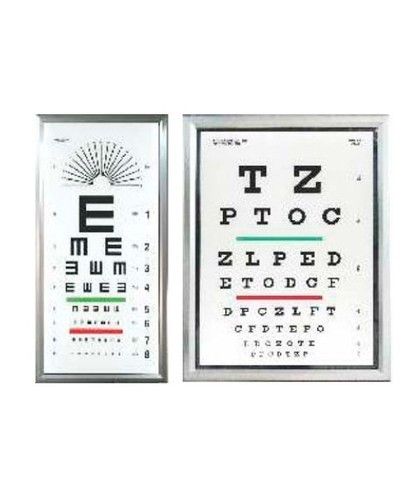
ConXport Single Language LED Chart
Model No : CXPSLLED
Feature : Energy Efficient, Uniform Brightness, Easy Operation
Type : Single Language Eye Testing Chart
Usage : Vision Testing, Ophthalmic Examination
Core Components : LED Display, Control Panel, Power Adapter
Equipment Materials : HighQuality ABS Plastic Frame
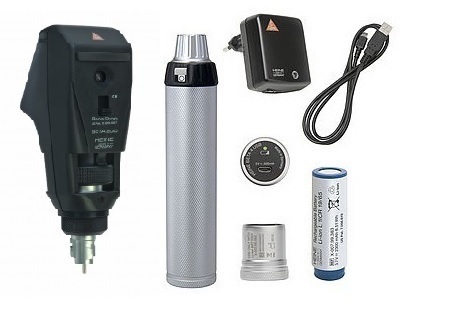
ConXport . Rechargeable Ophthalmoscope And Retinoscope 3.6v Heine German Combo
Model No : ConXport HEINE Combo
Feature : Rechargeable, Compact Design, Adjustable Illumination, German Optical Quality
Type : Rechargeable Ophthalmoscope and Retinoscope Combo
Usage : Eye Examination, Refraction and Assessment of Ocular Media
Core Components : Ophthalmoscope, Retinoscope, Rechargeable Handle, Accessories, Carrying Case
Equipment Materials : HighQuality Medical Grade Plastic and Metal
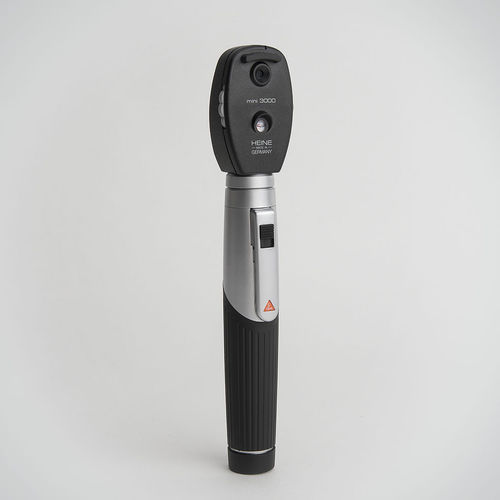
ConXport . Pocket Ophthalmoscope mini3000
Model No : mini3000
Feature : Pocketsized, lightweight, durable, bright xenon halogen illumination
Type : Ophthalmoscope
Usage : Eye examination, pupil and retina inspection
Core Components : Ophthalmoscope head, mini handle, illumination system
Equipment Materials : Highquality ABS plastic handle & metal head
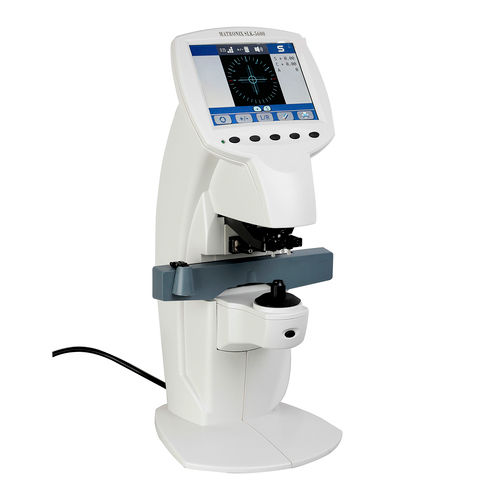
ConXport . Lensometer Slk-5600
Model No : SLK5600
Feature : Precision optics, easy focus, clear display, adjustable eyepiece
Type : Manual Lensometer
Usage : Lens power measurement, optical workshops, clinics
Core Components : Lens holder, measurement scale, illumination system
Equipment Materials : ABS and metallic components

 Send Inquiry
 Send SMS
|


CONTEMPORARY EXPORT INDUSTRY
GST : 06AJMPT4011D1ZG
GST : 06AJMPT4011D1ZG

- B No. 4353, Main Road, Near Geeta Gopal Temple,Ambala Cantt - 133001, Haryana, India
- Phone :08045815886

- Mr Akhil Trehan (Proprietor)
- Mobile :08045815886
- Send Inquiry
 Send Inquiry
CONTEMPORARY EXPORT INDUSTRY
All Rights Reserved.(Terms of Use)
Developed and Managed by Infocom Network Private Limited.
Developed and Managed by Infocom Network Private Limited.

